
What happens when clinical evidence expands faster than Medicare coverage policy?
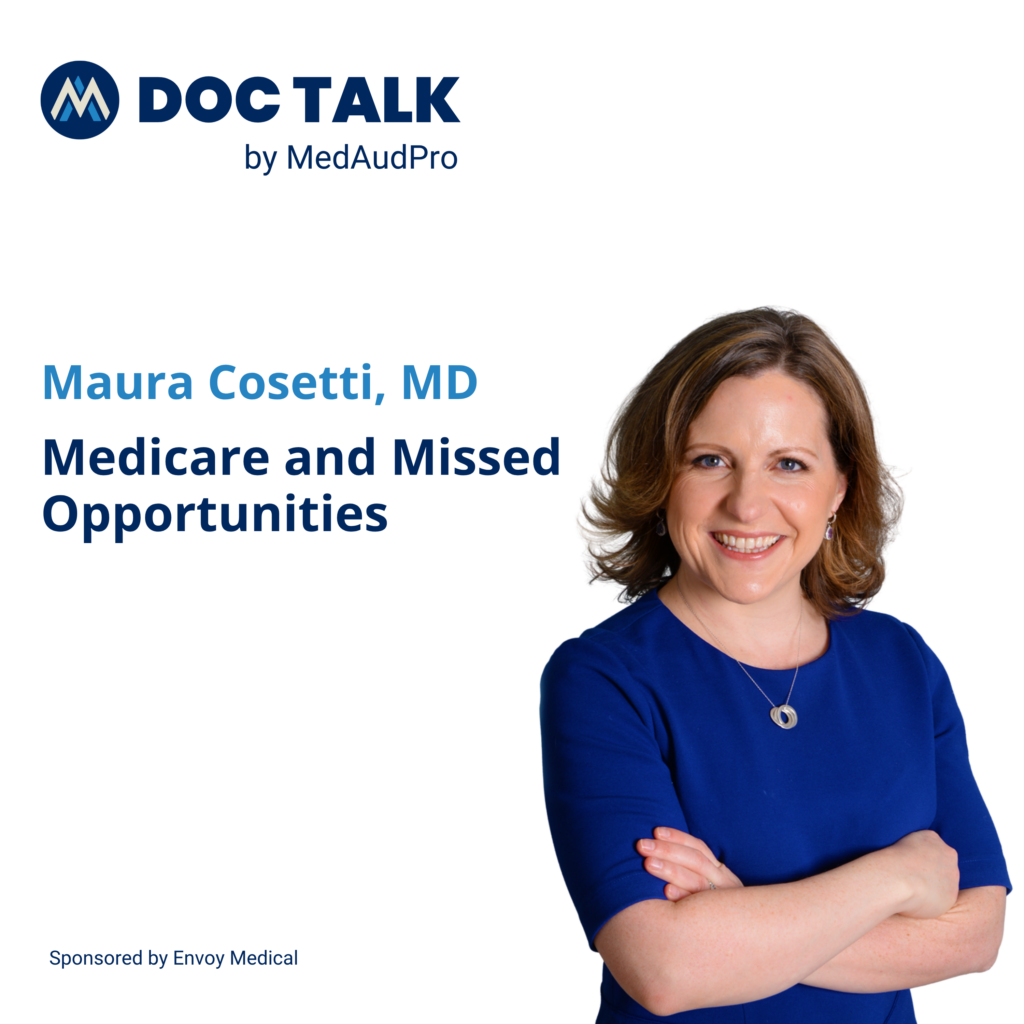
Meet Dr. Maura Cosetti, Director of the Ear Institute at the New York Eye and Ear Infirmary of Mount Sinai and one of the nation’s leading cochlear implant surgeons. As a leader of the American Cochlear Implant Alliance’s effort to expand Medicare coverage for single-sided deafness (SSD) and asymmetric hearing loss (AHL), Dr. Cosetti has spent the last several years working directly with CMS to address one of the most significant access barriers in cochlear implant care today.
What You’ll Hear:
- The Medicare Gap: Why patients with single-sided deafness are often told to wait until their better ear declines before qualifying for coverage, despite growing evidence supporting earlier intervention
- Inside the CMS Process: A behind-the-scenes look at the multiyear effort to expand Medicare coverage, including what evidence CMS requested and why the process has taken longer than many expected
- The Real-World Evidence Challenge: Why gathering Medicare-specific outcomes data is more difficult than it sounds when many eligible patients cannot access treatment in the first place
- Candidacy vs. Coverage: The critical distinction between being a cochlear implant candidate and qualifying for insurance coverage, and why confusing the two has delayed care for countless patients
- The Testing Debate: How clinicians are interpreting current Medicare guidelines, including the 60% word recognition threshold, best-aided testing, and ear-specific evaluation
- Why Traditional Outcomes Don’t Tell the Whole Story: The limitations of conventional speech testing for SSD patients and the growing importance of quality-of-life, tinnitus, and functional hearing outcomes
- The Access Problem: Why fewer than 10% of cochlear implant candidates ultimately receive an implant, and how Medicare policy represents just one piece of a much larger challenge
Dr. Cosetti offers a practical perspective on what providers can do today while broader policy changes remain under review. She also explains why access, not technology, remains one of the greatest barriers facing cochlear implant candidates.
Who should listen?
Audiologists, otolaryngologists, neurotologists, hearing healthcare professionals, primary care providers, students, residents, fellows, healthcare administrators, policymakers, and anyone interested in improving access to hearing healthcare.
If you’ve ever struggled to explain the difference between candidacy and coverage, wondered why Medicare has not kept pace with clinical evidence, or questioned how policy decisions impact patients sitting in front of you every day, this episode provides valuable insight from one of the leaders helping shape the future of cochlear implant access.
Stay up to date with us: LinkedIn, Facebook, and Instagram @MedAudPro
Want to learn more about FCOM? https://FCOMnow.com
Join the MedAudPro Provider Community for free access to behind-the-password content and connect with providers practicing at the top of their game: https://medaudpro.com/join
This episode is sponsored by Envoy Medical.